
In the mountains of western North Carolina, weather can be unpredictable. One week may bring calm sunny skies, while the next delivers heavy rain, strong winds, or hail. For homeowners in Asheville, these weather swings can take a toll on the exterior of their homes—especially the siding.
A common question we hear from homeowners is simple but important:
“If my siding is damaged, will insurance cover it?”
The answer depends on what caused the damage. Understanding the difference between storm damage and normal wear and tear can make the difference between an approved claim and an out-of-pocket repair.
When Insurance Usually Covers Siding Damage
Most homeowner insurance policies are designed to cover sudden and unexpected damage caused by weather events.
This often includes:
Wind Damage
Strong mountain winds can loosen siding panels, crack boards, or tear sections off completely.
Hail Impact
Hail can dent or fracture siding materials like vinyl, aluminum, or fiber cement.
Falling Debris
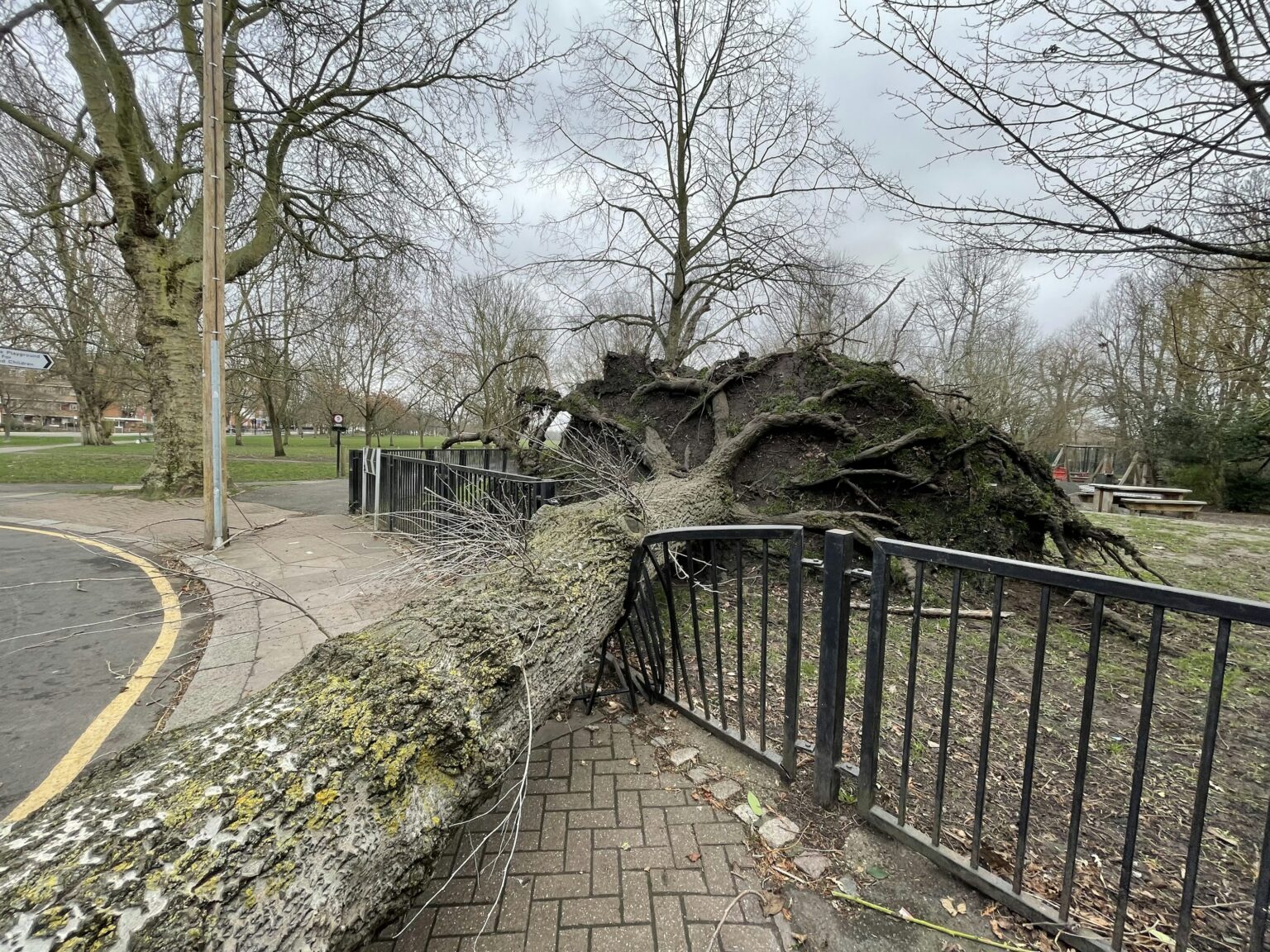
Tree limbs and branches are a common cause of siding damage after storms in the Asheville area.
Severe Storm Events
Major storms can expose the exterior walls of a home to water infiltration if siding panels are damaged or blown off.
When this type of damage occurs, insurance companies typically classify it as storm-related, which may qualify for coverage depending on your policy.
When Insurance Does NOT Cover Siding
Insurance generally does not cover siding damage caused by gradual deterioration.
Common examples include:
Age and Natural Deterioration
Over time, siding materials naturally fade, warp, or weaken due to sun exposure and weather cycles.
Improper Installation
If siding was installed incorrectly, insurance companies usually consider it a construction defect rather than an insurable event.
Lack of Maintenance
Issues like rotting wood, moisture damage, or mold behind siding often develop slowly and fall under homeowner maintenance responsibilities.
In these cases, repairs or replacements are usually considered routine home maintenance, which homeowners must handle themselves.
Signs Your Siding Might Have Storm Damage
After a major storm passes through the Asheville region, homeowners should inspect their exterior for signs of damage.
Look for:
- Loose or missing siding panels
- Cracks or dents from hail impact
- Warped or bent siding sections
- Pieces of siding found in the yard
- Water stains or moisture inside exterior walls
Even small damage can allow water to get behind the siding and cause much bigger structural problems over time.
Why Professional Inspections Matter
Storm damage is not always obvious from the ground. Sometimes the real issue is hidden behind the siding, such as:
- Damaged moisture barriers
- Rotten sheathing
- Water intrusion inside the wall cavity
A professional inspection can help determine:
- Whether the damage is storm-related
- Whether a repair or full replacement is necessary
- Whether the issue may qualify for an insurance claim
Many homeowners only discover the true condition of their siding once a contractor takes a closer look.
The Asheville Factor: Why Weather Matters
Homes in the Asheville area face unique environmental conditions. The region’s mountain weather patterns, combined with humidity and seasonal storms, can accelerate exterior wear.
Wind-driven rain, fluctuating temperatures, and occasional hail events all contribute to siding damage that may not appear immediately after a storm.
This is why it’s often a good idea to have siding inspected after significant weather events, even if everything appears normal at first glance.
Final Thoughts
Siding is more than just the outer appearance of your home—it’s a critical barrier that protects the structure from moisture, weather, and long-term damage.
If your home has recently experienced strong winds, hail, or severe storms in the Asheville area, it may be worth taking a closer look at your siding.
The key is understanding the difference between storm damage that insurance may cover and normal wear that requires maintenance or replacement.
Knowing that difference can save homeowners thousands of dollars—and prevent small problems from becoming major repairs.