
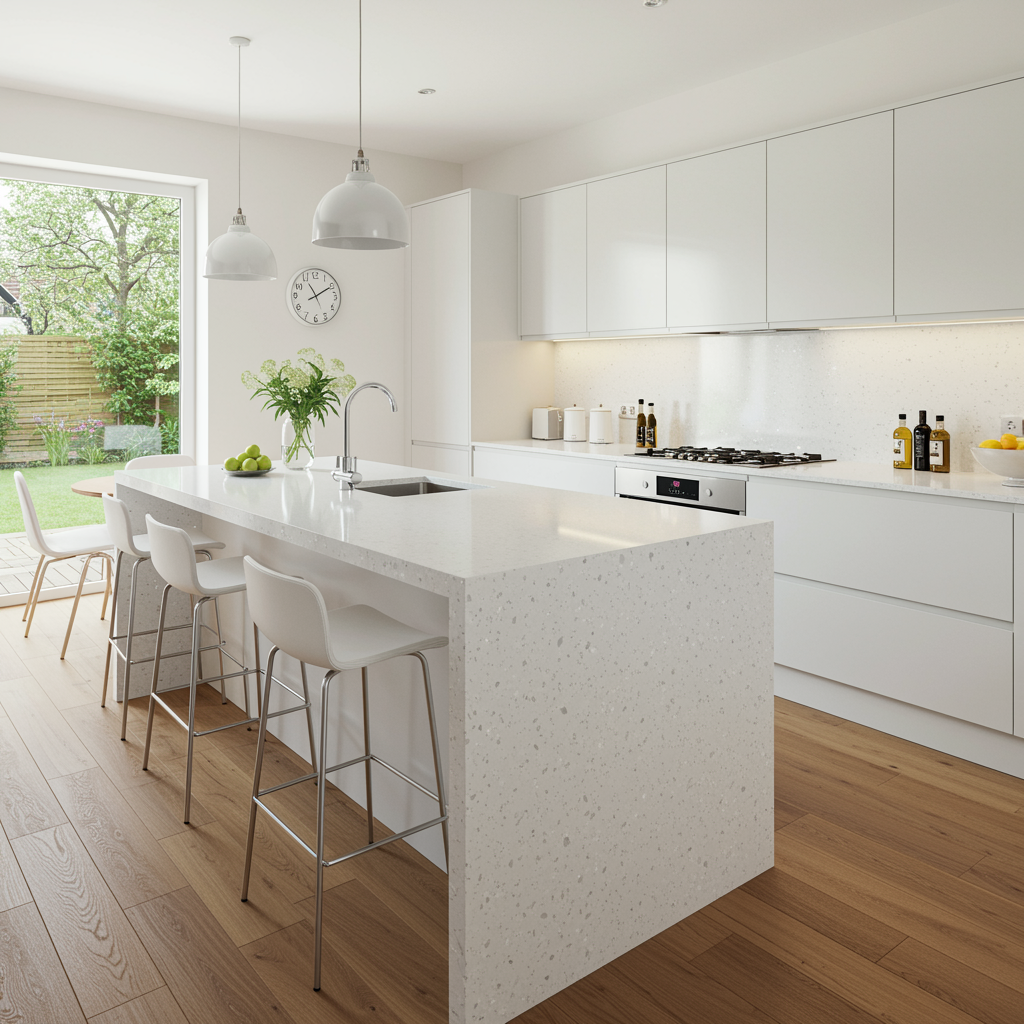
Embracing Eco-Friendly Materials for a Greener Home
The foundation of any sustainable renovation lies in the materials you choose. Opting for eco-friendly materials is a powerful step towards reducing your home’s environmental impact. Think beyond traditional options and explore innovations like reclaimed wood for flooring or accent walls, recycled glass countertops, or even bamboo, a rapidly renewable resource, for cabinetry. Low-VOC (Volatile Organic Compound) paints and finishes are crucial for improving indoor air quality, eliminating harmful chemicals. Additionally, consider materials sourced locally to reduce transportation emissions and support regional economies. Insulation made from recycled denim or other natural fibers can significantly improve energy efficiency while being environmentally conscious. Making informed choices about your materials not only benefits the planet but often results in more durable and beautiful finishes for your home.
Optimizing Energy Efficiency: The Heart of Sustainable Design
Maximizing energy efficiency is paramount in sustainable building, leading to substantial savings and a reduced carbon footprint. Begin by evaluating your home’s insulation; upgrading to high-performance insulation in walls, attics, and floors can drastically cut heating and cooling costs. High-efficiency windows and doors, particularly those with double or triple-pane glazing and low-emissivity (Low-E) coatings, prevent heat transfer and improve comfort. Modern, energy-efficient HVAC systems, like heat pumps, are far more effective than older models. Beyond the big systems, consider integrating smart home technology for lighting and thermostat control, allowing you to optimize energy usage effortlessly. And for those looking to truly embrace renewable energy, installing solar panels can dramatically reduce or even eliminate your reliance on the grid, turning your home into a power producer.
Water Conservation: Smart Strategies for Your Home
Water is a precious resource, and sustainable building offers numerous ways to conserve it both inside and outside your home. Start with low-flow fixtures in bathrooms and kitchens – think toilets, showerheads, and faucets that use significantly less water without sacrificing performance. For landscaping, consider drought-tolerant native plants that require minimal irrigation once established. Rainwater harvesting systems, from simple rain barrels to more sophisticated whole-house collection systems, can capture precipitation for garden irrigation or even flushing toilets. Greywater recycling systems, which reuse water from sinks and showers for non-potable uses, are another innovative approach. These strategies not only lessen your environmental impact but can also lead to noticeable reductions in your water bills, making them a win-win for your wallet and the planet.
Indoor Air Quality and Healthy Living Spaces
A truly sustainable home isn’t just about external environmental impact; it’s also about creating a healthy internal environment for its occupants. Prioritizing indoor air quality (IAQ) is vital. Beyond using low-VOC materials, ensure proper ventilation throughout your home to exchange stale indoor air with fresh outdoor air. This can be achieved through energy recovery ventilators (ERVs) or heat recovery ventilators (HRVs) that maintain efficiency while improving air circulation. Incorporate natural light wherever possible, reducing the need for artificial lighting and boosting mood and productivity. Biophilic design, which integrates natural elements like indoor plants and views of nature, has been shown to improve well-being. By focusing on IAQ, you’re not just building a sustainable home; you’re cultivating a healthier, more vibrant living space for you and your family.