
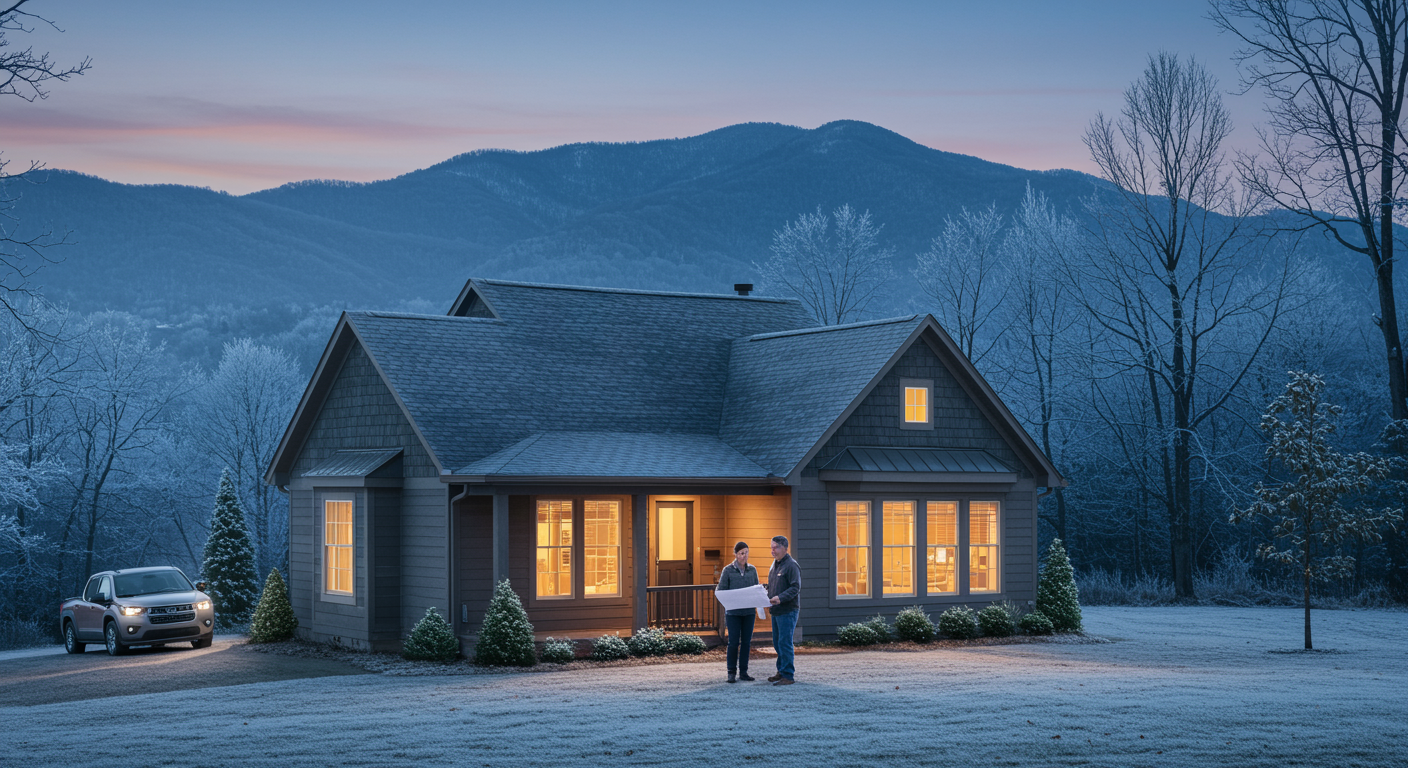
Winter in Asheville brings more than chilly mornings and mountain frost—it places real stress on homes, especially those in Western North Carolina’s varied elevations and older neighborhoods. Whether you’re planning proactive upgrades or responding to seasonal wear, setting a smart renovation and repair budget during winter can prevent emergencies and protect long-term home value. Here are the top five considerations Asheville homeowners should factor into their winter renovation budgets.
1. Address Safety-Critical and Weather-Driven Repairs First
Cold temperatures, freeze-thaw cycles, and winter storms make certain repairs non-negotiable. Budget priority should go to issues that could cause immediate damage or safety risks if ignored, such as:
- Plumbing protection to prevent frozen or burst pipes
- Roof leaks, flashing failures, or ice-dam vulnerabilities
- Gutter and drainage issues that can lead to water intrusion
These repairs often cost far less when handled early than when addressed as winter emergencies.
2. Ensure Heating, Insulation, and Energy Efficiency Are Dialed In
Heating systems work hardest during winter, and inefficiencies show up quickly in both comfort and energy bills. Asheville homeowners often allocate winter budgets toward:
- HVAC servicing or targeted system upgrades
- Air sealing around windows, doors, and crawl spaces
- Attic, wall, or crawl-space insulation improvements
Energy-efficient improvements not only reduce monthly costs but also improve livability during cold months and increase resale appeal.
3. Account for Seasonal Construction Realities
Winter can be an advantageous time for certain renovations—but not all. Interior projects, system upgrades, and planning phases typically move faster due to greater contractor availability. However, cold temperatures can limit:
- Exterior painting
- Concrete or masonry work
- Some roofing installations depending on weather windows
Smart budgeting accounts for which projects are ideal for winter execution versus those better scheduled for spring.
4. Build a Contingency for Older or Historic Homes
Asheville’s housing stock includes many older and historic homes, which can reveal hidden issues once work begins. Common discoveries include outdated wiring, deteriorated plumbing, or insufficient insulation. Homeowners should set aside 10–20% of their renovation budget as a contingency to avoid delays or rushed decisions if unexpected conditions arise.
5. Balance Immediate Repairs with Long-Term Value
Winter renovations shouldn’t be limited to temporary fixes. Homeowners benefit most when budgets are divided between:
- Immediate repairs that protect the home now
- Strategic upgrades that add durability, efficiency, and long-term value
Projects like insulation upgrades, bathroom or kitchen improvements, and layout adjustments can be completed indoors during winter and position the home well for future resale or refinancing.
Final Thoughts: A Smarter Winter Budget Is a Stronger Home
For Asheville homeowners, winter is not just a season to react—it’s an opportunity to reinforce, improve, and plan wisely. By prioritizing safety, energy efficiency, realistic scheduling, contingency planning, and long-term value, homeowners can turn winter renovations into a strategic investment rather than a financial strain.
If you’re planning winter repairs or renovations and want guidance on what to prioritize—or how to phase projects efficiently—working with a local contractor familiar with Asheville’s climate and housing stock can make all the difference.