
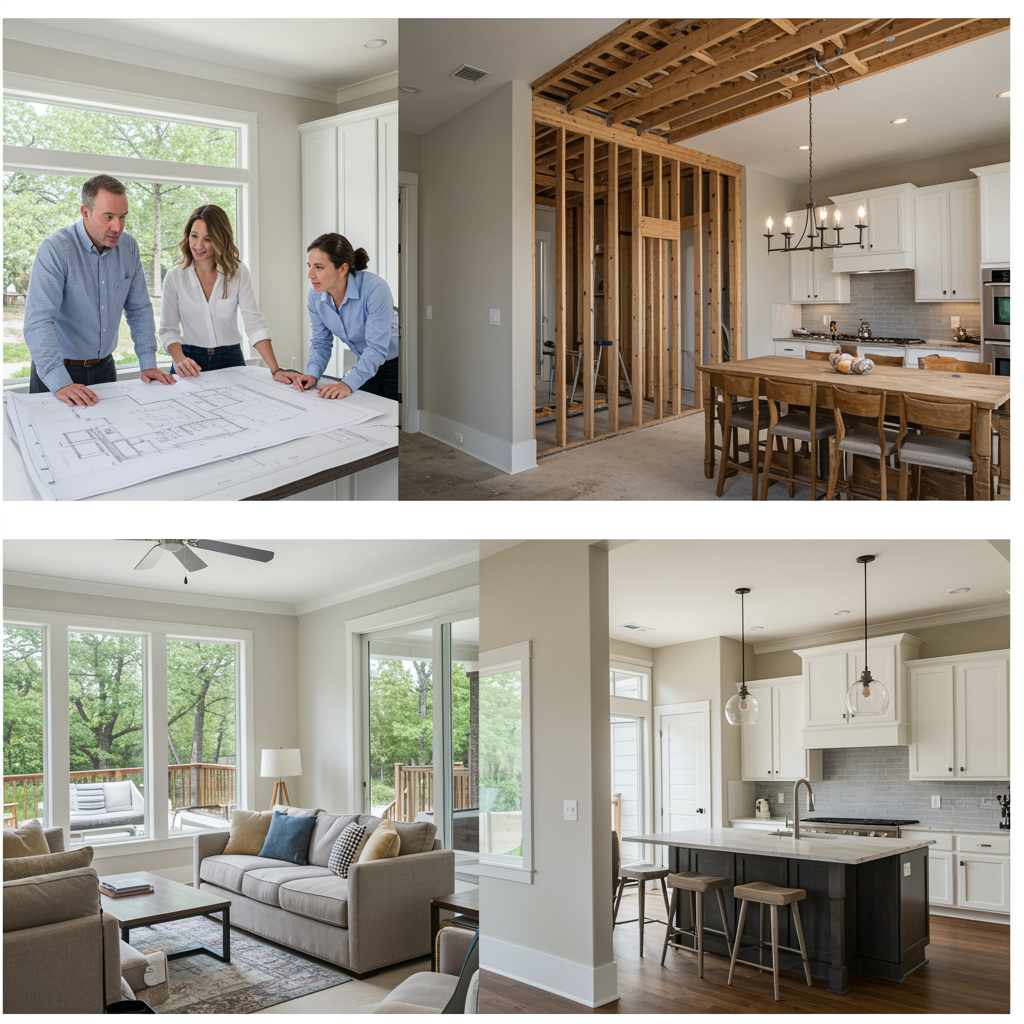
Planning a home renovation can feel overwhelming. Between design decisions, budget considerations, and the logistics of living through construction, homeowners often have one burning question:
How long will this actually take?
The truth is, every project is different. But understanding the typical phases of a renovation—and what happens during each one—can help you prepare mentally, logistically, and financially. It also helps you recognize when your project is on track versus when something needs attention.
At WNC Built, we’ve guided hundreds of Asheville and Western North Carolina homeowners through renovations of all sizes. Here’s what you should expect.
The Pre-Project Phase: Planning & Permits (2-4 Weeks)
Before any work begins, there’s significant planning happening behind the scenes.
What’s happening:
- Final design decisions and material selections
- Permit applications and approvals (critical in WNC)
- Detailed project scheduling
- Material ordering and lead time coordination
- Crew scheduling and subcontractor coordination
This phase is often underestimated by homeowners. In Western North Carolina, permit timelines can vary significantly depending on your location and project scope. Some municipalities process permits quickly; others take longer. This is why experienced local contractors factor in realistic permit windows.
Your role: Make final decisions on materials, colors, and finishes. Delays here directly impact your start date.
The Preparation Phase: Site Setup (1-2 Weeks)
Once permits are approved, the crew arrives to prepare the site—but they’re not demolishing yet.
What’s happening:
- Dumpster placement and site organization
- Protective coverings for areas not being renovated
- Utility access planning (electrical, plumbing, HVAC)
- Temporary barriers and dust containment
- Final material delivery and staging
In mountain homes like those throughout Asheville and Hendersonville, site prep is especially important. Steep driveways, limited access, and terrain challenges require careful planning. A well-organized site prevents delays and keeps your home safer during construction.
Your role: Prepare your home for disruption. Move valuables, arrange temporary living spaces if needed, and establish clear communication with the crew about access and schedules.
The Demolition Phase: Clearing the Way (1-3 Weeks)
This is where visible change happens—and it can feel chaotic.
What’s happening:
- Removal of existing fixtures, cabinetry, and finishes
- Structural assessment (sometimes surprises emerge)
- Preparation of surfaces for new work
- Waste removal and site cleanup
The demolition phase duration depends entirely on your project scope. A kitchen cabinet replacement might take a few days. A full kitchen remodel with layout changes could take 2-3 weeks. A whole-home renovation could take much longer.
Important note: Demolition sometimes reveals hidden issues—water damage, outdated wiring, structural concerns. In older WNC homes, this is common. When issues are discovered, your contractor should communicate immediately and discuss solutions. This is why having a contingency budget is wise.
Your role: Expect noise, dust, and disruption. Establish clear daily schedules with your crew. Ask questions if you notice anything unexpected.
The Construction/Build Phase: The Main Event (4-12 Weeks)
This is the longest phase for most renovations—and where the real transformation happens.
What’s happening:
- Structural work (framing, load-bearing adjustments)
- Electrical and plumbing installation
- HVAC system installation or upgrades
- Insulation and moisture barriers
- Drywall installation and finishing
- Painting and surface preparation
- Cabinet and fixture installation
This phase involves multiple trades working in sequence. Electricians, plumbers, HVAC specialists, framers, and finishers all have their turn. Coordination is critical—one delay cascades to the next trade.
In Western North Carolina, weather can impact timelines. Spring and fall are ideal renovation seasons. Winter weather can slow progress, especially for exterior work or homes in higher elevations.
Your role: Stay in communication with your project manager. Weekly check-ins help you understand progress and address concerns early. Be prepared for the unexpected—renovations rarely go exactly as planned.
The Finishing Phase: Details & Polish (2-4 Weeks)
As the end approaches, the focus shifts to details that make the difference between “done” and “done right.”
What’s happening:
- Final trim and molding installation
- Hardware installation and adjustments
- Final paint touch-ups
- Fixture and appliance installation
- Final inspections and punch-list items
- Cleaning and site restoration
This phase is where quality becomes visible. Trim work, caulking, paint finish, and hardware choices define how polished your renovation looks. A contractor who takes time in this phase delivers a noticeably better result.
Your role: Walk through with your contractor and create a punch list of any items that need attention. Don’t accept the project until you’re satisfied with the quality.
The Move-In Phase: Final Walkthrough & Handoff
Your renovation is complete when you and your contractor agree it’s complete.
What’s happening:
- Final walkthrough and inspection
- Demonstration of new systems and features
- Warranty documentation and care instructions
- Final cleanup and site restoration
- Dumpster removal and final site clearing
Your role: Take time during the final walkthrough. Test systems, check finishes, and ask questions. This is your opportunity to ensure everything meets your expectations before the crew leaves.
Timeline Factors: What Affects Your Project Duration
Several factors influence how long your renovation takes:
Project Scope
A kitchen cabinet refresh takes weeks. A full kitchen remodel takes months. A whole-home renovation takes even longer.
Complexity
Layout changes, structural work, and system upgrades add time. Simple cosmetic updates move faster.
Material Availability
Custom cabinetry, special finishes, and imported materials have longer lead times. Standard materials are faster.
Permit Timelines
Some WNC municipalities process permits quickly; others take weeks. This is outside your contractor’s control.
Weather
Western North Carolina weather can impact exterior work and material delivery. Plan accordingly.
Unexpected Issues
Older homes often reveal surprises during demolition. Budget time and money for contingencies.
Crew Availability
During peak season (spring/summer), skilled trades are busier. Off-season projects sometimes move faster.
Tips for Managing Your Renovation Timeline
1. Plan for Contingencies
Add 10-20% buffer time to your expected timeline. Renovations rarely go exactly as planned.
2. Make Decisions Early
Delays in material selection cascade through the entire project. Finalize choices before work begins.
3. Communicate Clearly
Establish regular check-ins with your contractor. Weekly updates prevent surprises.
4. Understand Your Contractor’s Process
Ask how they manage timelines, coordinate trades, and handle delays. A well-organized contractor delivers on schedule.
5. Be Flexible
Sometimes issues emerge that require adjustments. A collaborative approach with your contractor leads to better outcomes.
6. Document Everything
Keep records of agreements, changes, and communications. This protects both you and your contractor.
Final Thought
Understanding the renovation timeline helps you prepare mentally and logistically for the journey ahead. While every project is unique, knowing the typical phases—and what to expect during each one—removes much of the mystery and anxiety.
The key is working with a contractor who communicates clearly, plans thoroughly, and manages the process professionally. When you have that partnership, your renovation becomes not just a project to endure, but a transformation to enjoy.
If you’re planning a renovation in Asheville or Western North Carolina, we’d be happy to discuss your project timeline and help you understand what to expect. Contact WNC Built to schedule a consultation and start planning your next home improvement project.