
Introduction
Water damage is one of the most common and costly problems facing Western North Carolina homeowners. What makes it particularly dangerous is that much of it happens silently, hidden behind walls, under floors, and in crawlspaces where you can’t see it. By the time visible signs appear, significant damage may have already occurred.
In this guide, we’ll help you identify the early warning signs of hidden water damage and learn how to protect your WNC home before problems become expensive repairs.
Common Warning Signs of Hidden Water Damage
- Musty Odors: A persistent musty smell is often the first indicator of hidden moisture and mold growth.
- Soft or Spongy Walls: If drywall or wood feels soft when pressed, water damage is likely present.
- Discoloration and Staining: Yellow, brown, or dark stains on ceilings, walls, or floors indicate water intrusion.
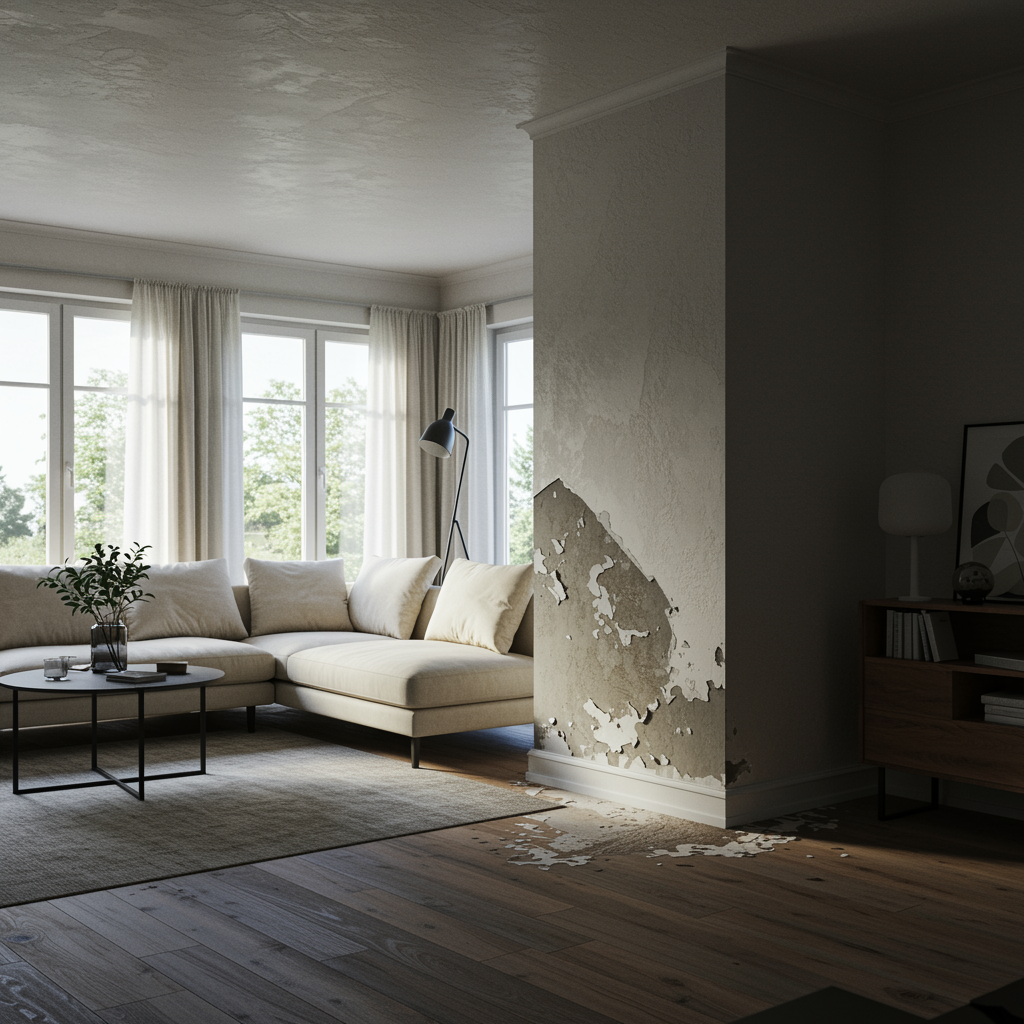
- Peeling Paint or Wallpaper: Moisture causes paint and wallpaper to bubble and peel.
- Warped Floors or Baseboards: Wood swells when exposed to moisture.
- Increased Humidity Levels: Excessive indoor humidity can signal hidden moisture problems.
- Mold Growth: Visible mold or mildew is a clear sign of moisture issues.
Vulnerable Areas in WNC Homes
Certain areas of your home are more susceptible to water damage, especially in our mountain climate:
Crawlspaces
Crawlspaces are particularly vulnerable in WNC due to our terrain and moisture levels. Poor drainage, foundation cracks, and inadequate ventilation can lead to standing water and structural damage.
Basements and Below-Grade Areas
Basements naturally collect water. Hydrostatic pressure from surrounding soil pushes moisture through foundation walls and floors.
Attics and Roof Areas
Roof leaks are common in WNC due to heavy rainfall and winter weather. Ice dams and missing shingles create entry points for water.
Gutters and Downspouts
Clogged gutters are a leading cause of water damage. Leaves and debris prevent proper water drainage, causing water to overflow and pool near your foundation.
Windows and Doors
Improper sealing or deteriorated caulk allows water to penetrate around frames and into walls.
Seasonal Risks in Western North Carolina
Spring
Heavy spring rains combined with snowmelt create ideal conditions for water intrusion. This is when many hidden water problems become apparent.
Summer
Intense afternoon thunderstorms can overwhelm drainage systems. High humidity levels promote mold growth in damp areas.
Fall
Falling leaves clog gutters and downspouts, preventing proper water drainage before winter arrives.
Winter
Freezing temperatures cause ice dams on roofs, and freeze-thaw cycles can crack foundations and allow water infiltration.
Prevention Tips for WNC Homeowners
Maintain Your Gutters and Downspouts
Clean gutters at least twice yearly, especially in fall. Ensure downspouts extend at least 4-6 feet from your foundation.
Inspect Your Roof Regularly
Look for missing, cracked, or curling shingles. Address roof damage promptly before water penetrates interior spaces.
Seal Cracks and Gaps
Inspect foundation walls, basement walls, and around windows and doors for cracks. Seal any gaps with appropriate caulk or sealant.
Improve Drainage Around Your Home
Ensure the ground slopes away from your foundation. Consider installing a French drain or sump pump system if you have persistent moisture issues.
Monitor Humidity Levels
Keep indoor humidity between 30-50%. Use dehumidifiers in basements and crawlspaces if needed.
Inspect Crawlspaces
Have your crawlspace inspected annually. Look for standing water, mold, or signs of moisture. Consider encapsulation if moisture is a persistent problem.
Install Proper Ventilation
Ensure bathrooms and kitchens have exhaust fans vented to the outside. Proper ventilation reduces indoor humidity.
When to Call a Professional
If you notice any of the warning signs mentioned above, don’t wait. Professional water damage inspectors can identify hidden moisture using specialized equipment like moisture meters and thermal imaging cameras. Early detection can save you thousands in repair costs.
Conclusion
Hidden water damage is a serious threat to WNC homes, but with vigilance and proper maintenance, you can protect your investment. Regular inspections, prompt repairs, and proactive drainage management are your best defenses against costly water damage. When in doubt, consult with a professional to ensure your home stays dry and protected.